Making friends in Iceland is slower than in most countries. Icelanders form tight social circles early in life, and breaking in as a newcomer requires patience, consistency, and knowing where to show up. This guide covers what actually works.
Why making friends in Iceland takes time
Iceland is a country of 390,000 people, and most Icelanders form their core friendships in childhood. Social circles solidify early and stay tight. Making friends in Iceland as a foreigner is absolutely possible, but it requires understanding why the process is slower here than in most places.
This is not rudeness. It is simply how a small, close-knit society works. When everyone already has a full roster of friends from school, sports, and family connections stretching back generations, there is less natural incentive to bring new people in.
For immigrants, this creates a specific challenge. You may have friendly coworkers, pleasant neighbors, and perfectly nice interactions at the store, but none of that automatically translates into being invited to someone's home on a Saturday night. It just requires patience, consistency, and a willingness to put yourself in the right situations.
The number one rule: show up repeatedly
The single most effective strategy for building friendships in Iceland is structured, repeated contact with the same group of people. One-off events rarely lead anywhere. A weekly activity with the same faces over several months almost always does.
This is why clubs, sports teams, and volunteer organizations come up in every conversation about integration. They create a low-pressure environment where relationships develop naturally over time.
You do not need to force conversation or be the most outgoing person in the room. Simply being present, week after week, signals that you are part of the community.
Icelanders themselves build friendships this way. The school system, sports clubs, and extracurricular programs create these repeated touchpoints from early childhood. As an adult immigrant, you need to create your own version of that structure.
The swimming pool: Iceland's social living room
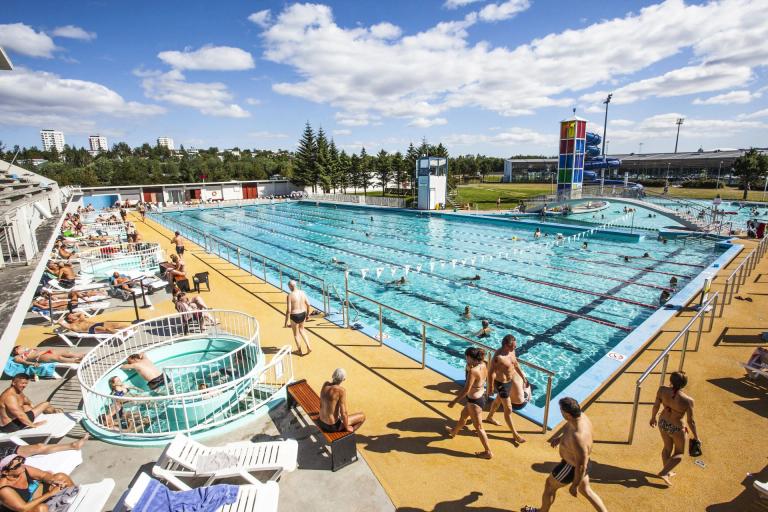 If there is one piece of advice that matters more than any other for making friends in Iceland, it is this: go to the sundlaug (swimming pool).
Iceland has over 120 public swimming pools for a population of 390,000. That works out to roughly one pool for every 3,000 residents. Nearly every town and village, no matter how small, has one.
In December 2025, Icelandic swimming pool culture was inscribed on UNESCO's Representative List of the Intangible Cultural Heritage of Humanity, recognizing the pools as community spaces that promote social connection across all ages and backgrounds. It was Iceland's first independent entry on the list.
The pools are not primarily about exercise. They are social hubs. The heitir pottar (hot pots) are where conversations happen.
Regulars gather at the same time every morning or evening, sit in the same hot pot, and talk about politics, weather, local news, and everything else. These informal gatherings have been described as Iceland's version of the town square.
A standard adult pool visit in the Reykjavik area costs between 830 and 1,430 ISK depending on the municipality (as of January 2026), and multi-visit passes reduce the per-visit price further. Children enter free in most municipalities, though the age cutoff varies from under 11 to under 18 depending on the municipality. The Reykjavik capital area alone has 18 public pools. You can find a full list of pools across the country at sundlaugar.is.
Start by going to the same pool at the same time, several days a week. Within a few weeks, you will begin recognizing faces. Within a few months, you will be part of the hot pot conversation.
One practical note: you are required to shower without a swimsuit before entering the pool area. This is a hygiene standard, not optional, and Icelanders are relaxed about communal nudity in this context. Some pools now offer private shower stalls, but the norm remains communal.
Sports clubs and outdoor activities
Iceland has a strong culture of organized sports and outdoor recreation. Joining a team or activity group is one of the fastest paths to a social circle.
Football (soccer) is the most popular sport, and most towns have amateur leagues for adults at various skill levels. The Football Association of Iceland (KSÍ) has actively encouraged immigrant participation, including programs specifically designed to welcome newcomers. Handball, basketball, and CrossFit are also popular.
Running and hiking groups offer another entry point. Group runs happen regularly in Reykjavik and other towns, and participants frequently describe them as among their most reliable social outlets.
Iceland's landscape makes outdoor activities a natural conversation starter, and shared physical effort tends to break down social barriers faster than sitting across a table.
If team sports are not your style, look into individual activities with group settings: climbing gyms, yoga studios, or martial arts clubs. The key is consistency. Weekly attendance at any activity will put you in front of the same people, which is where relationships begin.
For more on fitness options, see our guide to gyms in Iceland.
Volunteer organizations
Volunteering is deeply embedded in Icelandic civic life and offers one of the most effective paths to making friends in Iceland while contributing to your community.
ICE-SAR (Icelandic Association for Search and Rescue), known locally as Landsbjörg, is one of Iceland's most respected institutions. It operates roughly 100 volunteer rescue teams across the country, with over 4,500 active volunteers.
New members typically go through a 1 to 2 year training program that covers first aid, mountaineering, navigation, and rescue techniques. The training itself is highly social, and completing it earns significant respect within the community.
Icelandic language skills are generally expected for full participation, but some teams in the capital area are more accommodating of English speakers. Learn more at landsbjorg.is.
The Icelandic Red Cross runs social programs specifically for immigrants and refugees, including community events, mentorship, and integration support. With around 2,300 volunteers across Iceland, it is one of the largest volunteer networks in the country.
Environmental conservation groups such as SEEDS Iceland organize volunteer workcamps focused on trail maintenance, reforestation, and community projects. While many participants are short-term visitors, the projects bring together people from diverse backgrounds and can lead to lasting connections.
Icelandic language classes
If you are taking Icelandic language courses (and you should be), your classmates are one of the most natural sources of friendship. Everyone in the room is going through the same experience: adjusting to a new country, struggling with four grammatical cases, and trying to pronounce Eyjafjallajökull.
Language classes offered through providers like Mímir, Fjölmenning, and the University of Iceland bring together immigrants from dozens of countries. The shared challenge creates a bond that extends well beyond the classroom. Study groups, coffee after class, and group outings happen naturally.
Government-funded courses for immigrants are often free or heavily subsidized. For a full overview of courses and learning tools, see our learning Icelandic guide.
Beyond formal classes, look for tungumálaskipti (language exchange) meetups where you practice Icelandic with a native speaker who wants to practice your language. These are often organized through Facebook groups or community centers.
The expat and immigrant community
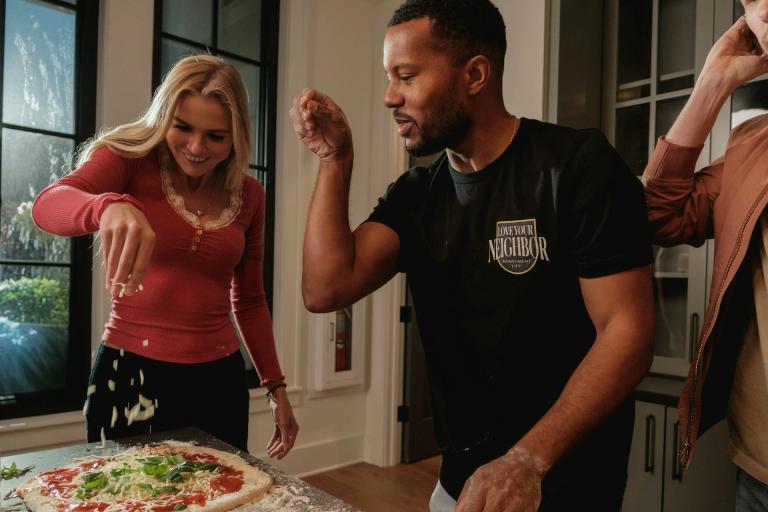 While building friendships with Icelanders is the long-term goal, do not underestimate the immigrant community as a source of genuine, lasting friendship. Nearly one in five residents of Iceland is an immigrant. That is a large, diverse community of people who understand exactly what you are going through.
Facebook groups are the primary meeting point. Search for groups like "Expats in Iceland," "Reykjavik Newcomers," or nationality-specific groups (e.g., "Americans in Iceland," "Poles in Iceland"). These groups share practical advice, organize meetups, and provide emotional support during the adjustment period.
The Multicultural and Information Centre (MCC), operated under the Directorate of Labour, provides counseling, information, and community referrals for immigrants. Their staff speaks English, Polish, Ukrainian, Spanish, Arabic, and several other languages.
Other organizations worth knowing about include InterNations (which organizes regular social events for expats worldwide, including in Reykjavik) and various community groups run through Reykjavik's municipal libraries, which host intercultural events and reading groups.
Your workplace matters more than you think
In Iceland's small economy, professional and social lives overlap significantly. Many immigrants report that their closest friendships in Iceland began at work.
Icelandic workplaces tend to be informal. First names are used universally, regardless of hierarchy.
Office culture often includes regular social events, Friday afternoon gatherings, and seasonal celebrations. Union membership (which covers roughly 90% of workers) sometimes includes access to social events, sports facilities, and subsidized group activities.
If your workplace organizes after-work events, happy hours, or team activities, attend them. These are not optional extras in Iceland. They are part of how workplace bonds are formed.
Parents: your children are your social gateway
For families with children, school and activity networks are the most powerful social accelerator available. Icelandic leikskólar (preschools) and primary schools create a web of parent connections through foreldrafélag (parent associations), volunteer days, birthday parties, and group activities.
Parent associations typically meet monthly during the school year and organize events ranging from weekend excursions to holiday celebrations. Participation expectations are high compared to many other countries, which means regular attendance alone will put you in contact with other parents.
Children's sports teams create a similar dynamic. Sitting on the sideline week after week, watching practices and games, is exactly the kind of repeated low-pressure contact that leads to adult friendships. For more on childcare and the school system, see our daycare guide and our guide to Icelandic culture.
What to expect (and what not to expect)
 Be prepared for some adjustment in how friendships develop compared to what you may be used to elsewhere.
Icelanders are direct. They say what they mean. If someone is interested in spending time with you, they will say so. If they are not, they will politely but clearly signal it.
This directness can feel cold at first, but it is actually efficient. You will not waste time wondering where you stand.
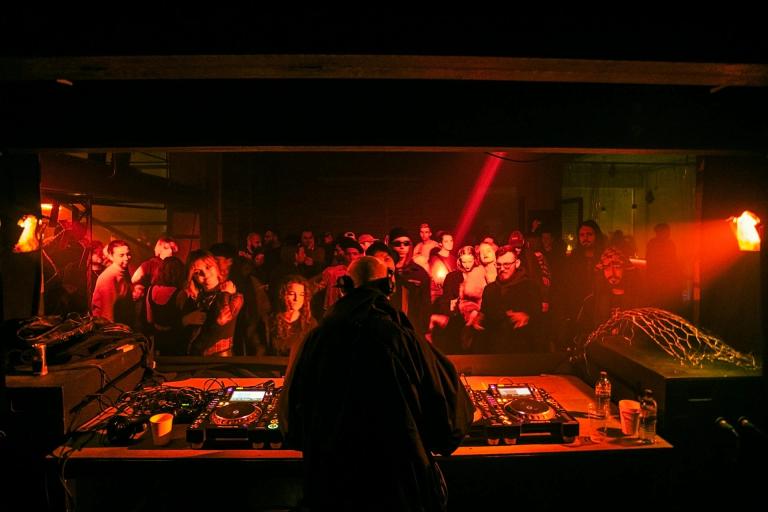
Social life often starts late. Icelanders tend to go out late, especially on weekends. The Reykjavik bar and social scene does not really begin until 11 PM or midnight, particularly on Friday and Saturday nights.
Alcohol plays a significant social role in Icelandic culture, and people tend to be considerably more open and chatty in evening social settings.
Home invitations are meaningful. Being invited to an Icelander's home is a genuine sign of friendship, not a casual gesture. When it happens, bring a small gift (flowers, chocolates, or wine are standard).
Show up on time. Punctuality matters in Iceland.
The "six-month wall" is real. Many immigrants describe a period around the six-month mark where the initial excitement has worn off but deep friendships have not yet formed. The dark winter months amplify this.
Expect it, push through it, and know that the connections are forming even when it does not feel that way. If you are struggling with isolation or the effects of winter darkness, our mental health guide covers available support and coping strategies.
Do not take it personally. If an Icelander you met at a party does not remember you next time, it is not a slight. The social context was different.
Relationship-building happens through consistent presence over time, not through individual memorable encounters.
A practical starting plan
If you have just arrived and want to start making friends in Iceland, here is a realistic sequence.
Week 1 to 2: Find your local sundlaug and start going regularly. Join one or two Facebook expat groups. Sign up for an Icelandic language course or meetups.
Month 1 to 2: Join a sports team, gym class, volunteer group, or hobby club. Attend any workplace social events. Say yes to every invitation, even if you are tired.
Month 3 to 6: Maintain your routines. This is when the repeated contact begins to pay off. You will start being recognized, remembered, and included. Expect some difficult weeks, particularly during the dark months.
Month 6 and beyond: Your social circle will begin to feel more natural. Some connections will deepen into real friendships. Others will remain friendly acquaintances, and that is fine.
For more on settling into your new life, see our first 30 days checklist and our complete relocation guide.
Frequently asked questions
Is it really that hard to make friends with Icelanders?
Making friends in Iceland is slower than in many other countries, but it is not impossible. Icelanders have tight, established social networks from childhood. Breaking into those networks requires patience and consistent presence in shared activities. Most immigrants who stay for a year or more report meaningful friendships with locals.
Do I need to speak Icelandic to make friends?
Not necessarily, especially in Reykjavik where English is widely spoken. That said, learning Icelandic dramatically improves your social prospects. It shows respect for the culture, opens doors to more activities and groups, and allows you to participate in conversations that would otherwise happen around you in a language you do not understand.
What are the best places to meet people in Reykjavik?
Swimming pools, sports clubs, volunteer organizations, Icelandic language classes, and workplace events are consistently the most effective. Facebook expat groups are useful for finding specific meetups and events. Check our Events page for upcoming community gatherings.
Is it easier to make friends outside Reykjavik?
In some ways, yes. Smaller communities tend to be more tight-knit, and a new face stands out more. People in rural areas often make a deliberate effort to welcome newcomers. The trade-off is that there are fewer organized activities and a smaller immigrant community for support.
How do Icelanders feel about immigrants?
Iceland has become increasingly diverse over the past two decades, with immigrants now making up over 18% of the population. Attitudes are generally welcoming, though like any country, experiences vary. Learning the language, participating in community life, and showing genuine interest in Icelandic culture go a long way.
What if I am struggling with loneliness?
Loneliness during relocation is common and nothing to be ashamed of. The combination of dark winters, a new language, and distance from established support networks can be difficult. Reach out to the MCC for resources, connect with expat communities online, and maintain your routines even when motivation is low. Our mental health guide covers professional support options.
Last updated: March 2026